
Payment on Hold: Why Your Bank Is Asking About One Transfer — and How to Answer
2026-11-12
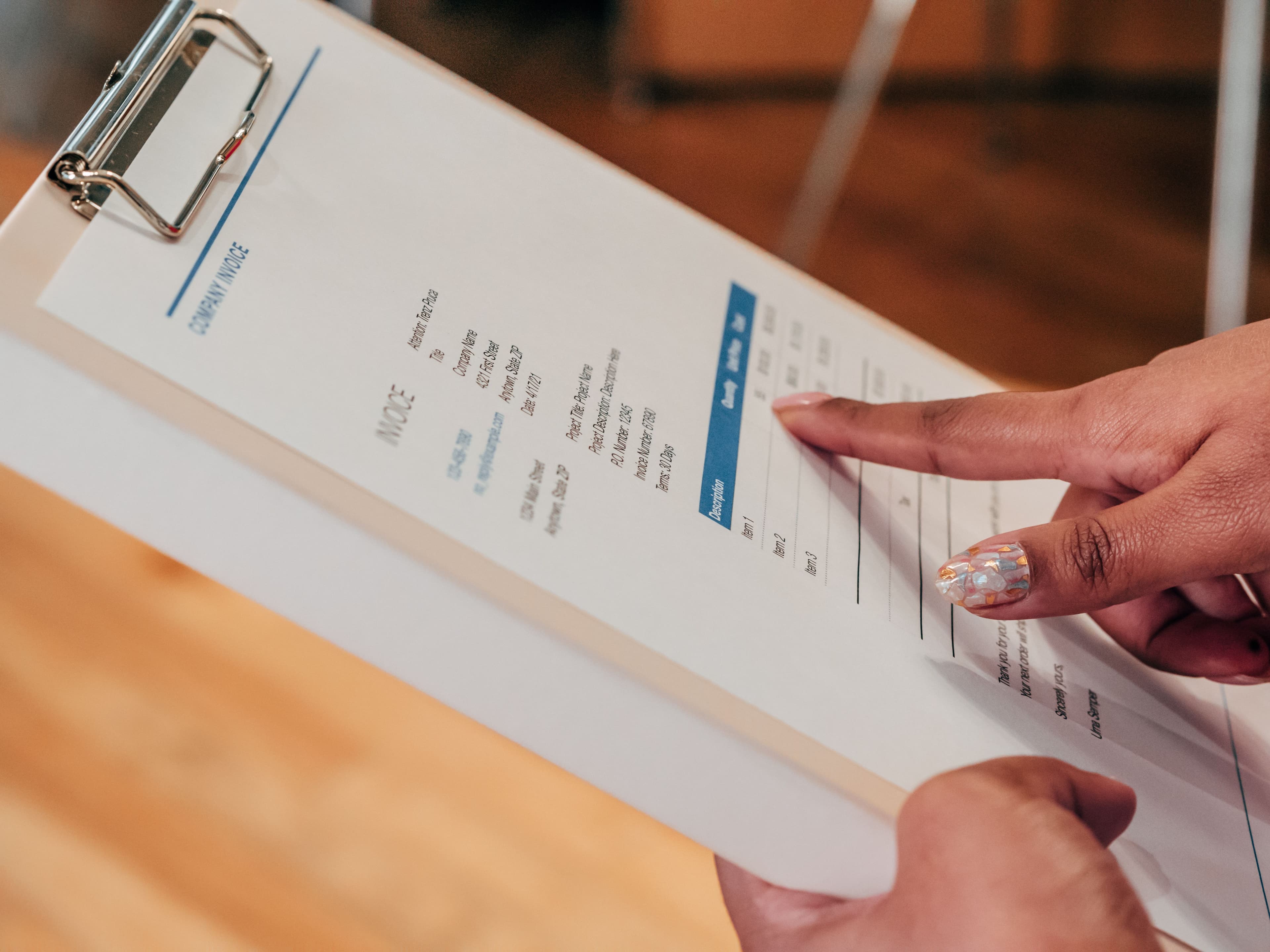
A Question About One Payment, Not Your Whole Business
Most of the compliance contact a business has with its provider happens at onboarding. You send documents, someone reads them, the account opens. Then, months later, an email arrives about a single transfer. The payment is on hold, and the bank wants to know what it's for.
It can feel like your whole account is under review again. Usually it isn't. A transaction inquiry (many banks call it a request for information, or RFI) is narrow. Someone looked at one payment, couldn't explain it from the data that came with it, and wants you to fill the gap. Fill it well and the payment usually moves on. Fill it badly and you get a second round of questions while the money sits still.
Why One Transfer Gets Stopped
Payments are screened automatically, and a person only gets involved when something doesn't fit. The reasons are mostly unremarkable:
- The amount doesn't match the account's usual pattern. A business that normally receives €5,000 at a time suddenly gets €180,000. Our article on expected account activity explains why the figures you gave at onboarding still matter.
- A new counterparty or a new country. The first payment from a partner nobody has seen before gets more attention than the fiftieth, and more again if it comes from a higher-risk jurisdiction.
- A vague or empty payment reference. "Payment" or "transfer" tells the reviewer nothing. "Invoice 2026-114, software licence Q4" tells them almost everything.
- Names that don't line up. Money arriving from someone other than the customer on the invoice, or a beneficiary name that differs slightly from the account holder's.
- A sanctions-screening match. Often a false positive: a company name, a vessel or a city that resembles something on a list. It still has to be cleared by a person.
None of this means anyone suspects you of anything. It means the payment, as it arrived, didn't explain itself.
Who Is Actually Asking
This is the part that confuses people. The question reaches you through your own provider, but it doesn't always start there.
A SWIFT transfer can pass through several institutions: the sender's bank, one or more intermediary (correspondent) banks, and the receiving bank. Any of them can stop the payment and ask for information. In the EU, the rules on information that must accompany transfers of funds require the payee's provider and any intermediary to detect missing or incomplete payer and payee details, and to decide whether to execute, reject or suspend the transfer.
When the question comes from an intermediary, your provider is often passing it on almost word for word. That's why the wording can sound generic, and why the answer can take a while: it has to travel back along the same chain.
What You'll Usually Be Asked For
The details vary, but most requests draw on the same short list:
- the invoice, contract or agreement behind the payment;
- a short description of your relationship with the other party: who they are, and what you sell to them or buy from them;
- the purpose of the payment in plain words;
- for larger amounts, where the money originally came from (our article on source of funds requests covers what that usually involves);
- sometimes, evidence that the goods or service actually changed hands, such as a delivery note, a shipping document or a project sign-off.
How to Answer So There's No Second Round
Most delays come from answers, not questions. A few habits make a real difference.
- Answer every point, in the order asked. If the request lists four questions, reply to four. Skip one and the whole package tends to come back.
- Make the documents match the payment. Same amount, or an explained difference (a partial payment, fees deducted on the way). Same parties. Dates that make sense. An invoice addressed to a different company from the one that paid needs a sentence of explanation.
- Send it all at once. One complete reply is easier to forward along a correspondent chain than three emails with an attachment each.
- Write like you're explaining it to a stranger. "We license betting software to licensed operators; this is the Q4 licence fee from Operator X under our agreement of 3 March 2025" beats a paragraph from your pitch deck.
- Translate where it helps. If the contract is in a language the reviewer may not read, add a short English summary of the clauses that matter.
- Don't bury the answer. Five years of statements doesn't make a reply stronger. It makes it harder to read.
What Slows It Down
Answers that create new questions. A contract dated after the payment. An invoice without company details. A counterparty whose website sells something unrelated to the invoice. "Documents will follow." And silence: an unanswered request rarely resolves itself, and a payment that can't be explained may end up returned to the sender. Our article on returned transfers explains why that costs time and money on both sides.
Preventing the Next One
You can't stop every inquiry, but you can make most of them unnecessary.
- Use payment references a stranger could understand: invoice number plus what it's for.
- Ask regular payers to send from an account in the same name as the customer on your invoices.
- Keep signed contracts and recent invoices for your main counterparties in one place, so an answer takes ten minutes rather than two days.
- If a large or unusual payment is coming, such as a first deal with a new partner, an asset sale or a one-off investment, tell your provider before it lands and include the document behind it.
- If the business itself has changed, update your provider instead of letting individual payments tell the story for you.
Where Polydirection Fits
Polydirection provides international accounts and payments for businesses with complex cases: SEPA and SWIFT transfers, multi-currency IBANs and Mastercard, with every application reviewed individually. Crypto, gambling, forex and dating businesses get a dedicated manager, not a form-letter decline.
Businesses in those sectors tend to see more questions about individual payments, simply because more of their payments look unusual from the outside. The habits above work with any provider. If you bank with us and a large or out-of-pattern payment is on its way, get in touch before it arrives and send the documents behind it. A question answered in advance rarely turns into a hold.
This article is general information, not legal or compliance advice. Requirements differ between providers and countries.