
Why Payment Declines Cost High-Risk Merchants More Than the Failed Sale
2026-08-11
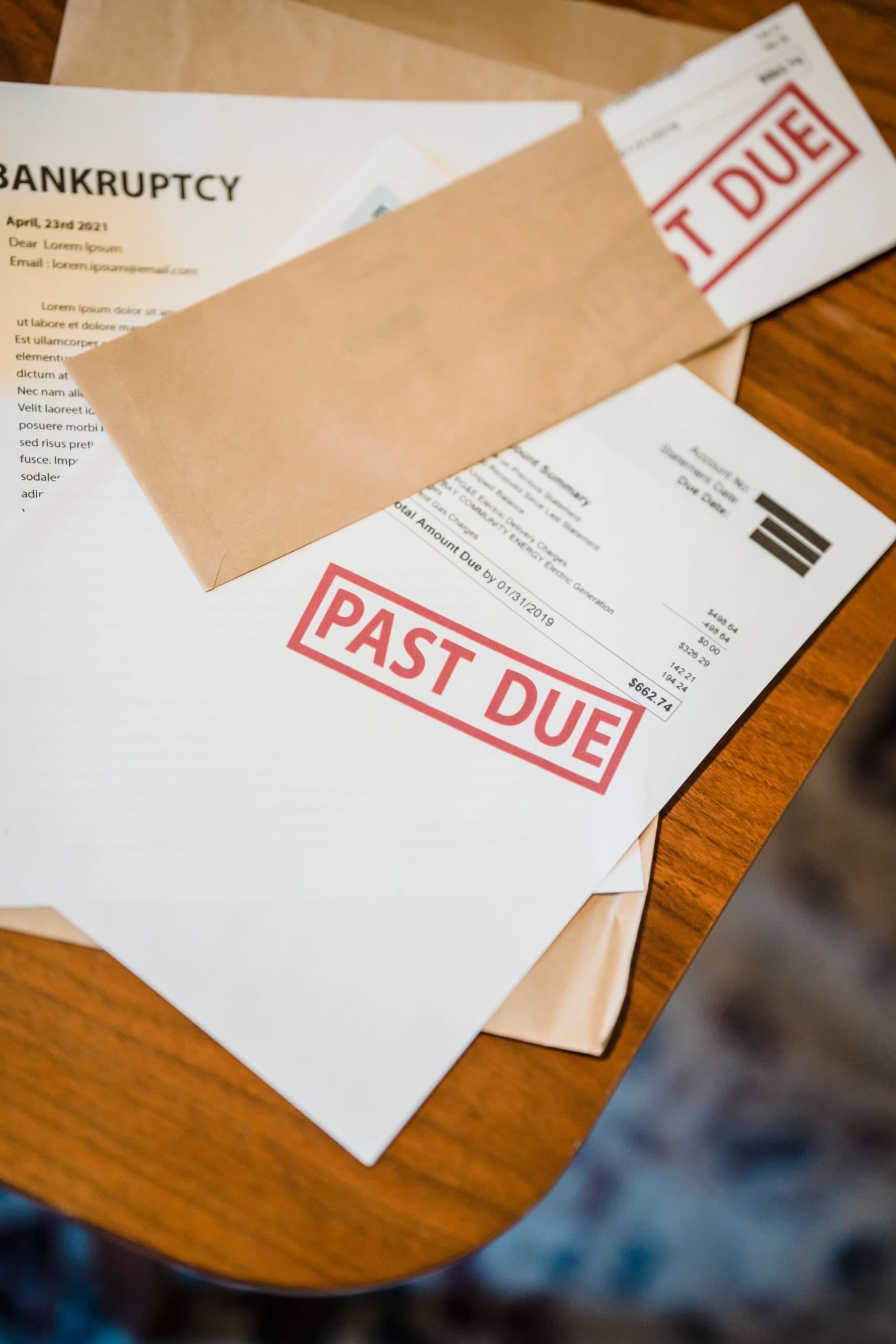
A Decline Isn't the End of the Transaction — It's a Line Item
Most merchants think of a decline as a non-event. The card didn't go through, the customer either retries or gives up, and nothing changed hands — so nothing was lost, right? Not quite. On a high-risk merchant account, every declined attempt carries its own fixed fee, separate from whatever happens if the transaction eventually succeeds or gets disputed. It doesn't matter whether the decline came from insufficient funds, a fraud filter, or a bank that simply doesn't like the merchant category code. The processor still ran the authorization check, and that check has a cost attached to it.
For a business running thousands of transactions a month, a decline rate that looks trivial on paper — 3%, 5%, sometimes higher for certain crypto or gambling flows — turns into a real recurring line on the monthly statement. It's not dramatic the way a chargeback dispute is. It's just quietly there, every cycle, whether anyone's watching for it or not.
Why Crypto, Gambling and Forex See More Declines Than Average
Standard e-commerce accounts rarely think about decline rate as a metric worth tracking. High-risk accounts don't get that luxury. Card networks and issuing banks apply extra scrutiny to merchant category codes associated with crypto exchanges, iGaming platforms, and forex brokerages — partly regulatory caution, partly historical fraud patterns in those verticals. The result is a higher baseline decline rate before a business has done anything wrong at all.
Add in customer-side factors specific to these industries — international cardholders whose issuing banks block foreign crypto purchases outright, or players attempting deposits from jurisdictions where the activity sits in a legal grey zone — and the decline rate climbs further. None of this is a sign of a poorly run business. It's the baseline cost of operating where standard banks won't.
What the Fixed Decline Fee Actually Covers
The fee itself is small per transaction — on Polydirection's current schedule, well under a dollar equivalent depending on currency. It's not designed to be punitive on its own. What it reflects is the actual processing cost of running an authorization request through the card network, regardless of outcome. Networks charge for that lookup whether the answer is yes or no, and someone has to absorb it.
The reason it matters for high-risk merchants specifically is volume math, not the per-transaction number. A business processing 50,000 attempts a month at a 6% decline rate is paying that fee 3,000 times before a single chargeback enters the picture. It's a cost of doing business that's easy to overlook because it never shows up as a single alarming charge — just a steady background hum on the statement.
Declines vs Chargebacks: Two Different Costs, Same Root Cause
It's worth being precise about the difference, because the two get conflated constantly. A decline means the transaction never completed — the bank said no before money moved. A chargeback means the transaction went through, the customer got charged, and then a dispute reversed it after the fact. Polydirection's breakdown of chargeback mechanics covers what triggers the escalating fee tiers once chargeback volume crosses a threshold — a genuinely more expensive problem than declines, but a separate one.
The connection between the two is the customer base and risk profile driving both numbers. A merchant with elevated fraud exposure will typically see both a higher decline rate and a higher chargeback rate, because the same underlying signal trips both wires — suspicious card behavior, mismatched geography, first-time high-value attempts. Fixing the root cause (better fraud screening, clearer product descriptions, tighter checkout flow) tends to bring both numbers down together.
Keeping Your Decline Rate From Becoming a Pattern
There's no fee escalation tied specifically to decline rate the way there is for excessive chargebacks — but that doesn't mean it's worth ignoring. A decline rate that's meaningfully above industry baseline for the vertical is usually a signal that something in the checkout flow, fraud rules, or customer targeting needs a second look, well before it becomes visible in any other metric.
Watching decline rate as its own number gives a high-risk merchant an earlier warning than waiting for the dispute rate to climb. It's the cheapest data point available, and one of the least monitored.
Polydirection provides merchant accounts and multi-currency business banking for crypto, gambling and forex businesses that standard banks won't serve. See current fee schedules on the fees page, or open a merchant account.