
The Currency Exchange Fee Nobody Reads Until Their Settlement Report Looks Wrong
2026-08-25
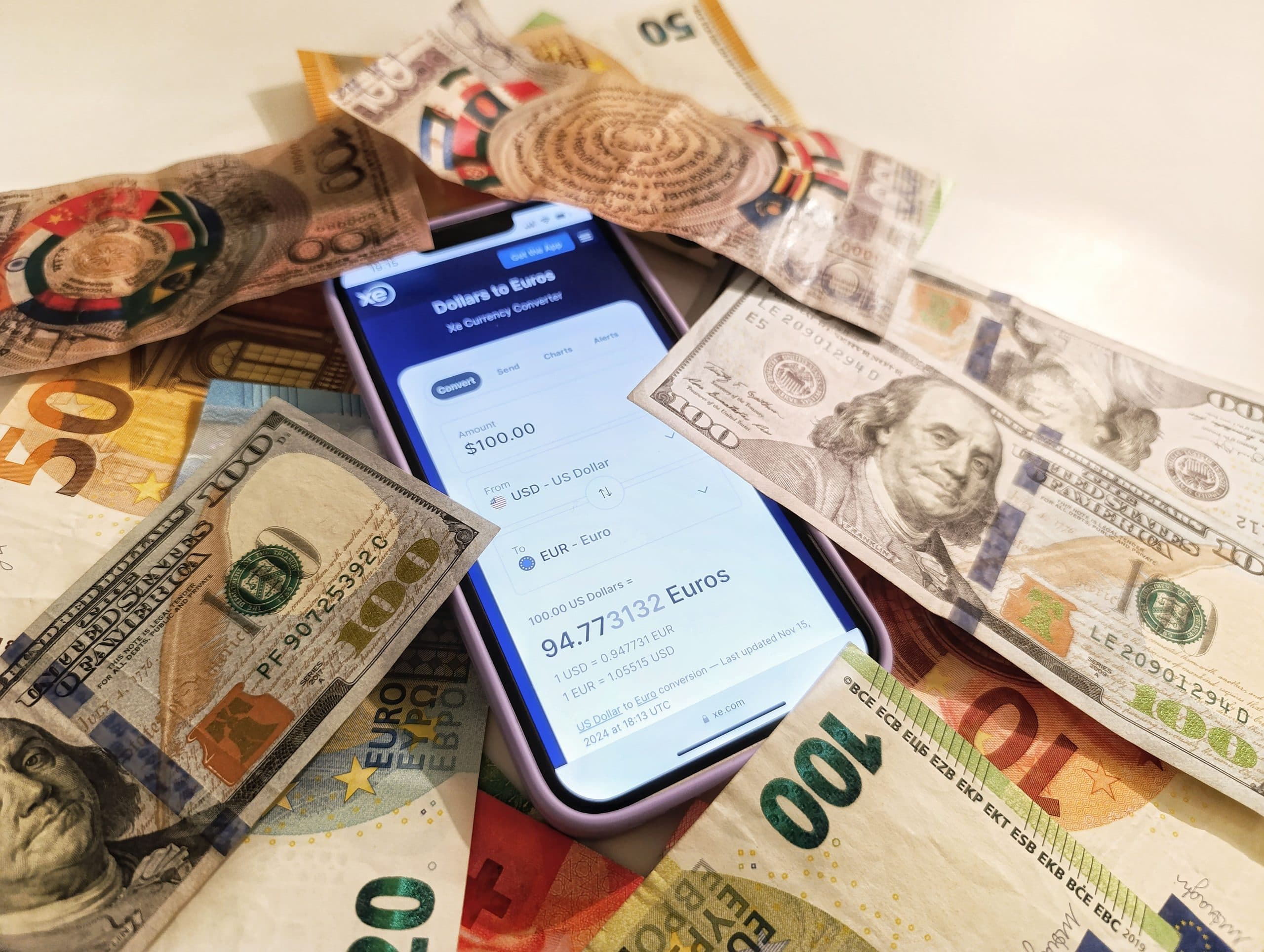
A payment comes in, the customer's card clears, no dispute, no refund, no decline. On paper this is the transaction working exactly as intended. Then the settlement report lands and the number is smaller than the sum of the transactions it's supposed to represent. Nobody charged back. Nobody asked for money back. The account just… converted currencies along the way, and that conversion had a price.
Why a "Successful" Payment Still Costs More Than the Sticker Rate
Every fee discussed so far in this series — declines, refunds, chargebacks, payouts — is tied to something happening to a specific transaction: it fails, it gets reversed, it gets disputed, it goes back out the door. Currency exchange fees are different. They're not a penalty for anything going wrong. They're the cost of a mismatch that's built into how most high-risk merchant accounts actually work: the currency a customer pays in is often not the currency the account settles in.
A crypto exchange might accept card payments in EUR, USD, KZT and UAH from customers around the world, but hold and settle funds in a narrower set of settlement currencies. A forex broker's clients might fund accounts in whatever currency is convenient for them, while the broker's own operating currency stays fixed. The moment money crosses that line — from the currency it arrived in to the currency the business actually uses — a conversion happens, and the conversion isn't free.
The Actual Numbers
On Polydirection's published fee schedule, currency exchange is priced as two separate lines, not one blended rate.
- The fiat currency exchange fee is 1.0% for the crypto and forex verticals, 1.5% for the gambling vertical — this applies when money moves between fiat currencies inside the account: EUR to KZT, USD to UAH, and so on.
- The cryptocurrency exchange fee is 1.5% for the crypto vertical, 2.5% for the gambling vertical — this applies when value moves between crypto and fiat, which for a crypto-facing business is often the more frequent conversion, not the exception.
Both fees apply per operation, not per month or per batch — every time the account converts value from one currency to another, the fee applies again. A business processing frequent small settlements in a currency different from its settlement currency accumulates this cost gradually, in amounts small enough that they rarely trigger a second look on any single statement line, but consistent enough to matter over a quarter.
Who Actually Sets the Rate
One detail worth knowing before it becomes a surprise: the exchange rate itself isn't set by the merchant, and it isn't a live market rate the business can shop around for. On Polydirection's fee schedule, currency exchange rates are explicitly set by Kraken. The 1.0–2.5% fee is charged on top of whatever that underlying rate happens to be at the time of conversion — meaning the total cost of moving value between currencies is the fee plus whatever spread exists in the rate itself, not the fee in isolation.
This matters most for businesses that don't have a choice in the matter — where the settlement currency is fixed by the account type, but the currencies customers actually pay in vary by region. In that setup, currency exchange isn't a decision the merchant makes; it's a structural feature of running a multi-currency, cross-border high-risk business.
Where This Shows Up in Practice
A few concrete situations where this fee stops being theoretical:
- A crypto exchange serving customers across Europe, Kazakhstan, and Ukraine but settling primarily in EUR sees every KZT or UAH payment that gets converted to the settlement currency carry the fiat exchange fee, even though the original card transaction itself was accepted without issue.
- A platform accepting both card payments and crypto deposits sees converting between the two, in either direction, trigger the cryptocurrency exchange fee, which sits meaningfully higher than the fiat-to-fiat rate.
- A forex broker with clients funding accounts in multiple currencies sees every client currency other than the broker's own settlement currency generate a conversion event somewhere in the pipeline.
None of these scenarios involve anything going wrong. They're simply what happens when a business operates in more currencies than it settles in — which, for most high-risk merchants working across borders, is the normal state of affairs, not an edge case.
What This Means for Planning Around Fees
The earlier fee breakdowns in this series (decline, refund, chargeback, payout) are about managing risk on individual transactions — the kind of thing a business can influence through better fraud screening or clearer refund policies. Currency exchange fees don't respond to that kind of management. They respond to currency mix: how many currencies a business accepts payments in versus how many it settles in, and how much volume flows through each one.
For a business evaluating a merchant account, that makes this fee worth checking early, not after the first settlement report raises a question. Comparing 1.0% fiat conversion against 1.5% crypto conversion, and checking which settlement currencies are actually supported, gives a more complete picture of total cost than the headline card-processing rate alone — because unlike a chargeback, this fee doesn't require anything to go wrong to apply. It just requires doing business in more than one currency, which most high-risk merchants already do.